
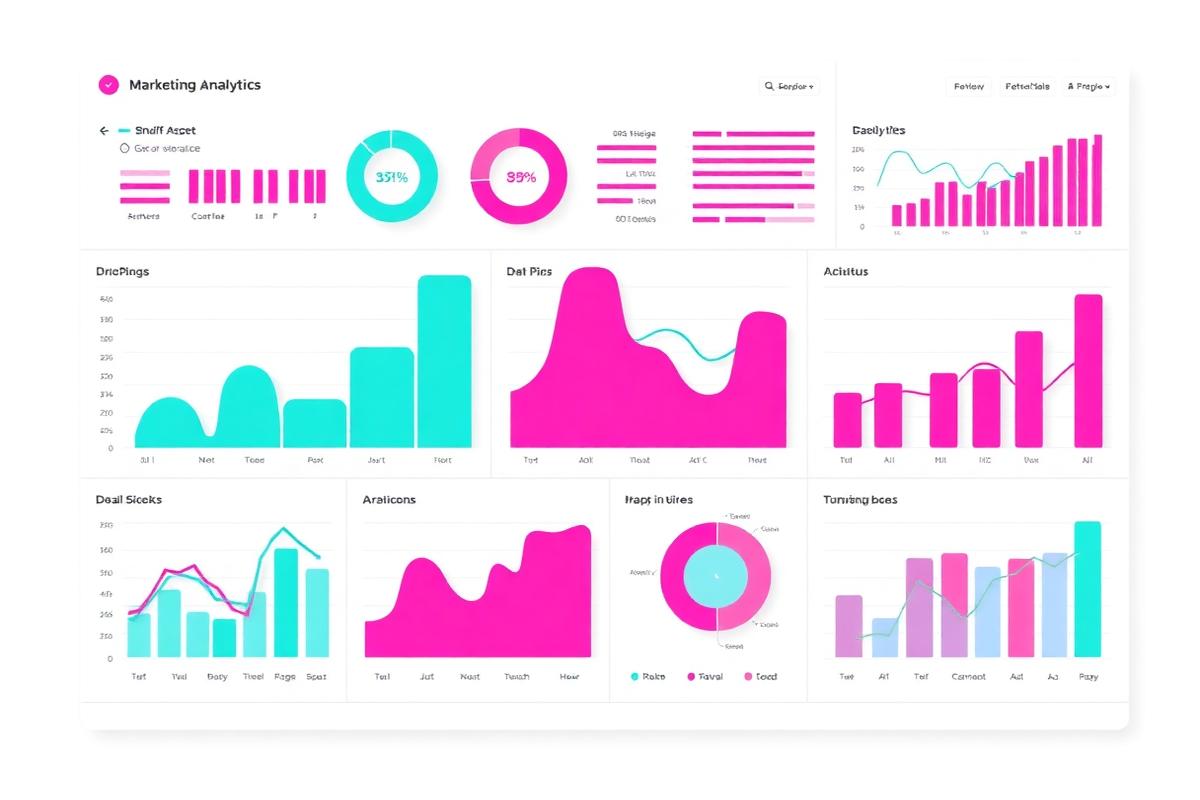
Experiential ROI has a reputation for being fuzzy. It doesn’t have to be. Here’s the framework we use to make every activation defensible.
Every marketing leader we talk to has been burned by an activation that looked incredible and reported almost nothing. The problem is almost always the same: the KPIs were named after the campaign, not before it.
Start with a business outcome
Every campaign should map to a business outcome first — trial, opt-in, sell-through, repeat purchase, retailer perception. Impressions are a tactic; they’re not the outcome.
Instrument the moment, not the report
Instrumentation happens on-site, not in the recap deck. Lead capture, coupon codes, SMS opt-ins and retailer locator clicks all have to be built into the consumer flow before day one — bolting them on later loses 80% of the data.
Compare against a real control
For retail programs, use control stores. For sampling programs, compare against a matched non-sampled population. If you don’t have a control, you don’t have ROI — you have a story.